Keep Context with Design
Embed feedback directly in your Figma files so context is never lost.

Feedback buried in Slack dies. Notes placed on the Figma canvas live with the design, where your team actually sees them.


Provide clear, actionable notes on the canvas to reduce review times.
Keep everyone on the same page with visible, organized notes.
Capture every crucial insight, ensuring no comment gets lost or overlooked.
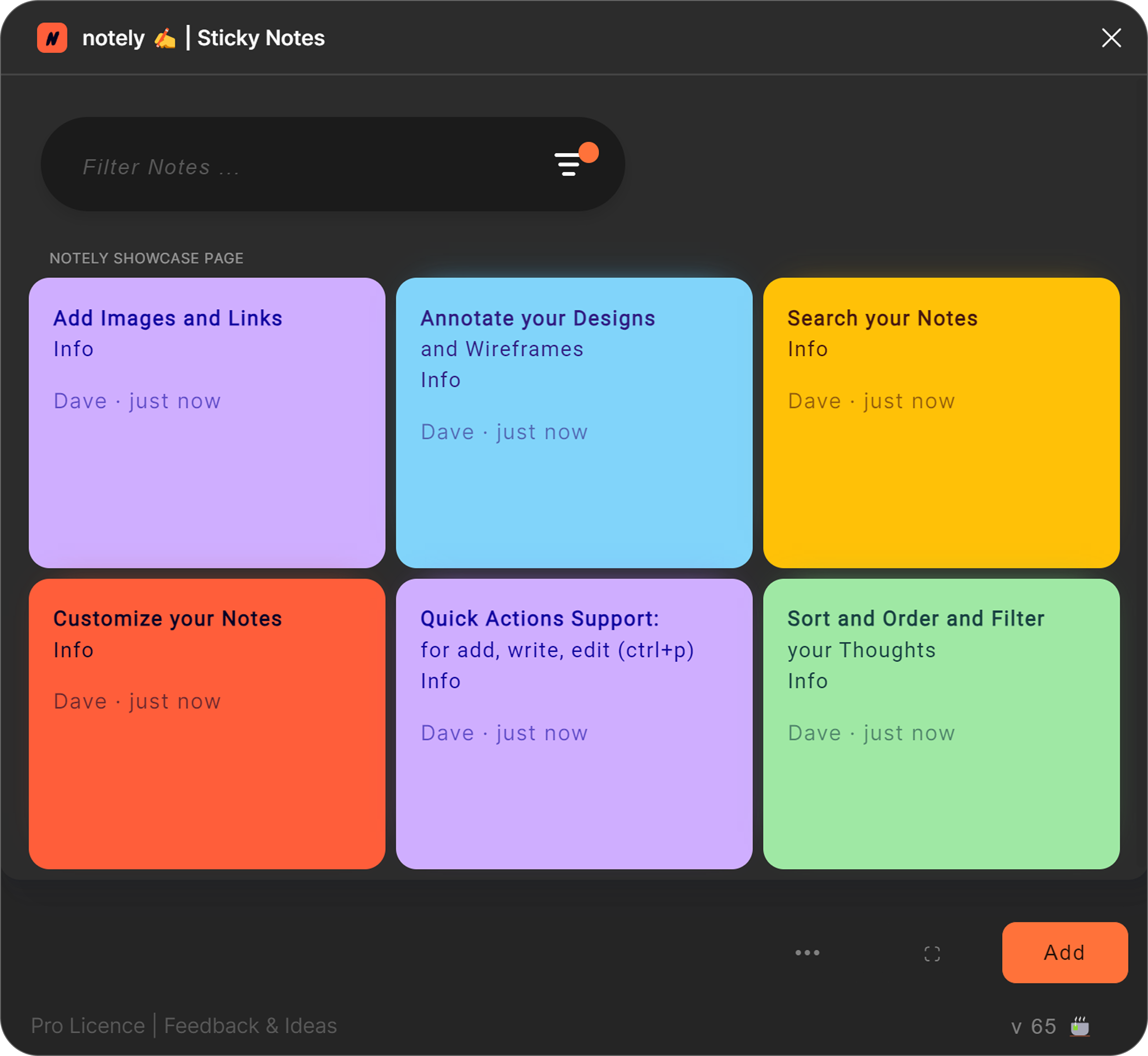
Everything you need to capture and organize feedback in your design workflow. Create notes via Figma Quick Actions (Ctrl+[P]) in one rush.


 Reusable
  Reusable
 Everything you need to capture and organize feedback in your design workflow.
Support future development and unlock extra features like clean UI, emoji support, and custom scan depth settings.
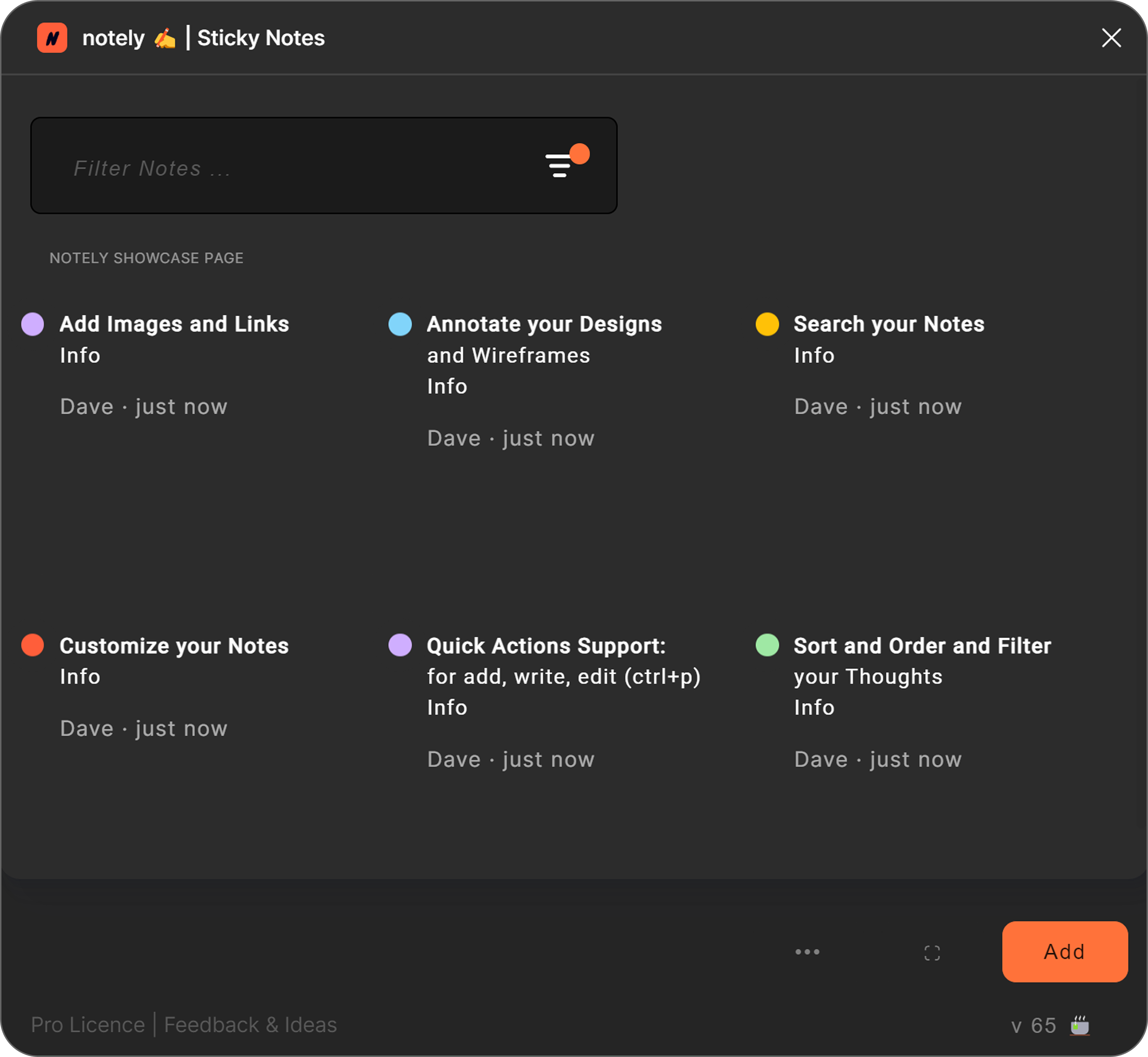

Notely helps teams stay aligned and communicate effectively across design projects.
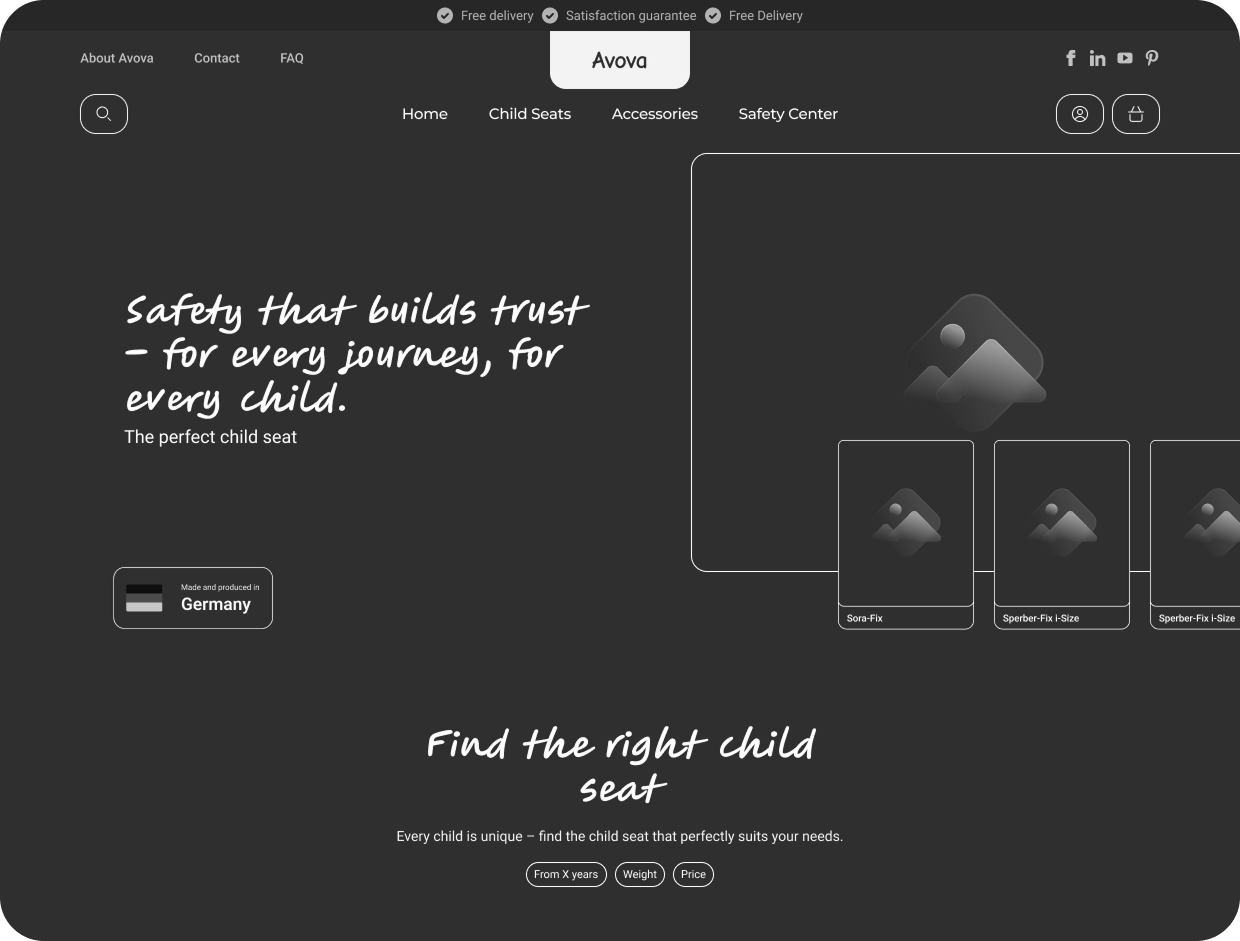
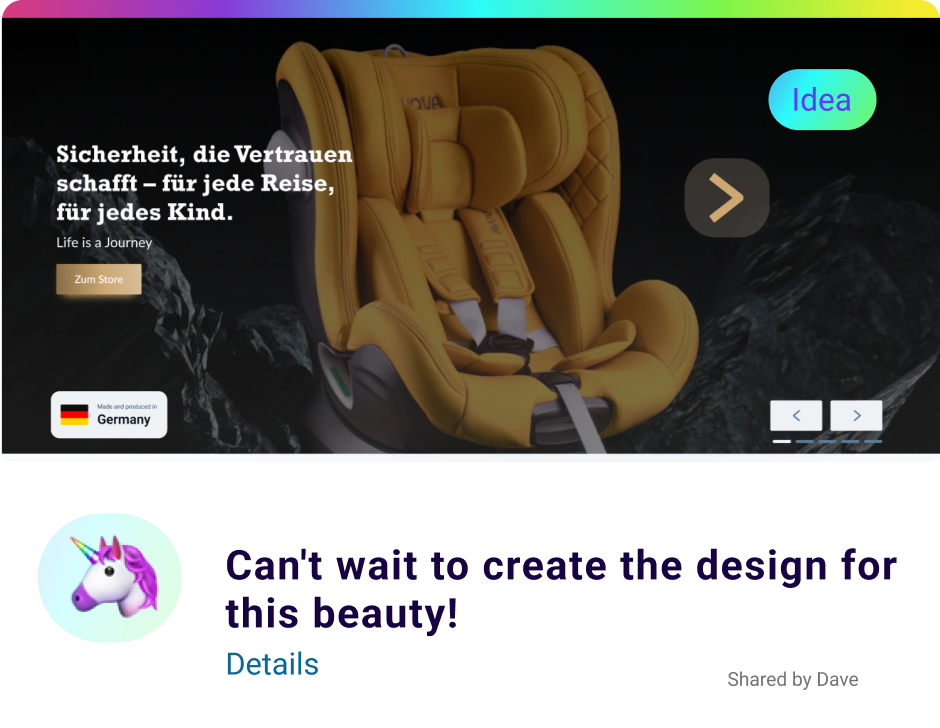
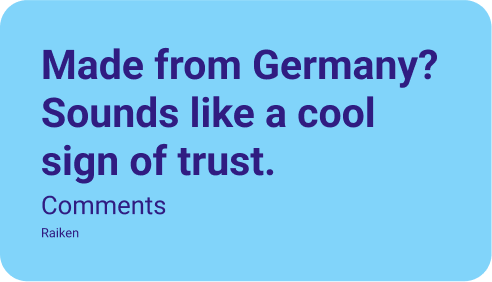
"As a product designer, I used to lose track of feedback buried in endless comment threads and Slack messages. With Notely, every note is right on the canvas, tied to the design. It’s made my workflow so much smoother."
"As a developer, I used to spend hours hunting down design decisions. With Notely, all the context I need is right there in the file. It's saved our team countless hours."
"The custom templates feature transformed our design reviews. We created branded feedback templates that ensure consistency across all our projects and clients."
Everything you need to know about the plugin.
Every designer knows the struggle: you open a Figma file after a weekend, and it's littered with tiny comment bubbles. Some are resolved, some are outdated, and finding the one that actually matters feels like a treasure hunt without a map. Figma's native comments are great for quick chats, but they lack the permanence and visual context needed for serious design feedback.
That's where Notely helps. By placing sticky notes directly on the canvas, you turn abstract feedback into concrete, visual action items. No more clicking through a sidebar list to find out which button needs to be blue. The note is right there, next to the button.
Visual context is king in product design. When you use sticky notes, you aren't just leaving text; you're leaving a spatial marker. This mimics the real-world experience of a design war room, where post-its on a whiteboard create a shared mental model for the team.
Notely allows you to scale this experience digitally. Whether you're marking up a wireframe with "Needs more whitespace" or tagging a high-fidelity mock with "Dev: Export this as SVG," the spatial relationship between the note and the design element eliminates ambiguity. It's the difference between saying "move the thing on the left" and pointing directly at it.
Async design reviews are the new normal. But without a live presenter, context often gets lost. Sticky notes bridge that gap. You can leave a trail of breadcrumbs for your stakeholders, guiding them through the user flow with numbered notes or color-coded categories.
For example, use Red notes for "Urgent Fixes," Green for "Approved," and Blue for "Dev Handoff." This simple visual language speeds up approval cycles because everyone knows exactly what they're looking at without reading a single word of documentation.
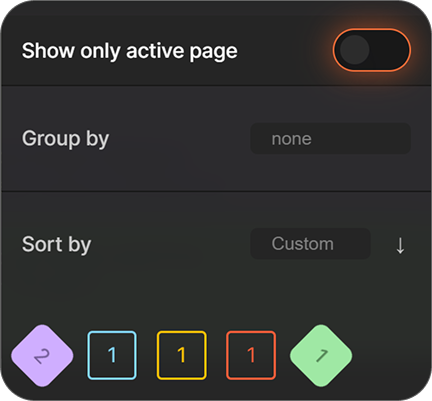
As your project grows, so does the noise. Hundreds of comments can crash your productivity. Notely's "Better Organization" features—like filtering by author, color, or tag—turn chaos into a checklist. You can instantly hide all "Resolved" notes to see what's left, or filter to show only notes assigned to you.
This level of organization is impossible with standard comments. It turns your Figma file from a messy scratchpad into a structured project management tool, all without leaving the canvas.
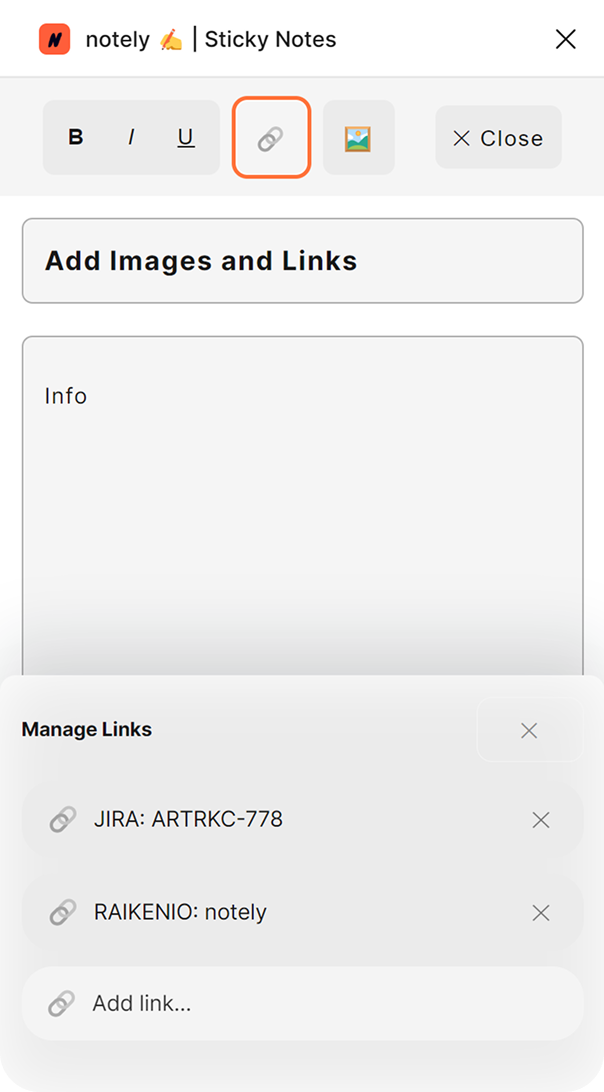
Why not just use Miro or Asana? Context switching. Every time you Alt-Tab away from Figma to check a ticket in Jira or a board in Miro, you break your flow state. Notely keeps you in the tool where the work actually happens.
Plus, with our Pro features, you can actually import those external tasks directly into Figma as sticky notes. It's the best of both worlds: the project tracking of a PM tool with the immediacy of a design tool.
Notely has evolved beyond simple sticky notes. It now features powerful AI capabilities for ideation, grammar correction, and UX writing directly within your notes. Need to rewrite a rough critique into constructive feedback? Or brainstorm five variations of a call-to-action? Notely can handle it instantly, ensuring your communication is as polished as your design.
Sticky notes in Figma aren't just a retro throwback; they are a productivity multiplier. By making feedback visible, persistent, and organized, Notely helps teams build better products faster. Stop hunting for comments and start designing with clarity.
Notely works especially well alongside Contently. Because both tools share the same AI pipeline and configuration settings, they keep a consistent understanding of your project's voice and tone.
That shared context means whether you're generating content with Contently or refining feedback with Notely, the AI output stays aligned with the selected document context.
More tools from RAIKEN.io


Bookmark any location in your Figma files and teleport back instantly. Track your work with a global todo list. Present designs without the scroll of shame.
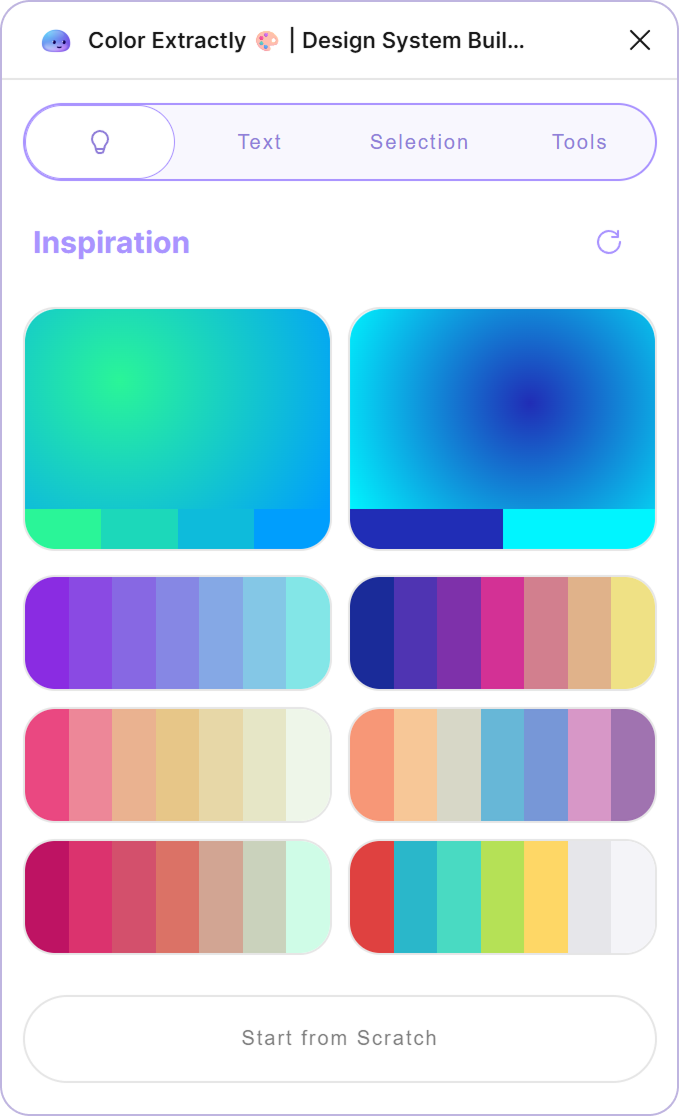
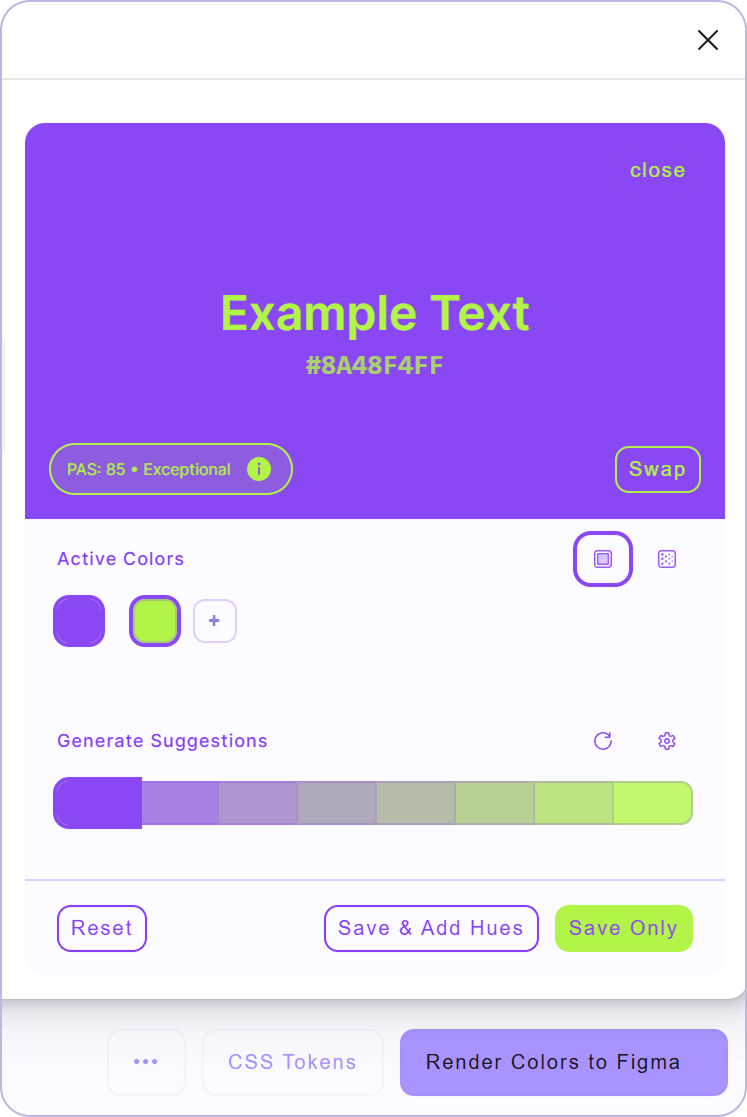

Extract colors from any code or text instantly. Generate design system color palettes in seconds. Perfect for maintaining brand consistency across projects.


Smart content generation for Figma. Replace lorem ipsum with realistic text and images. AI-powered templates and design feedback for faster prototyping.