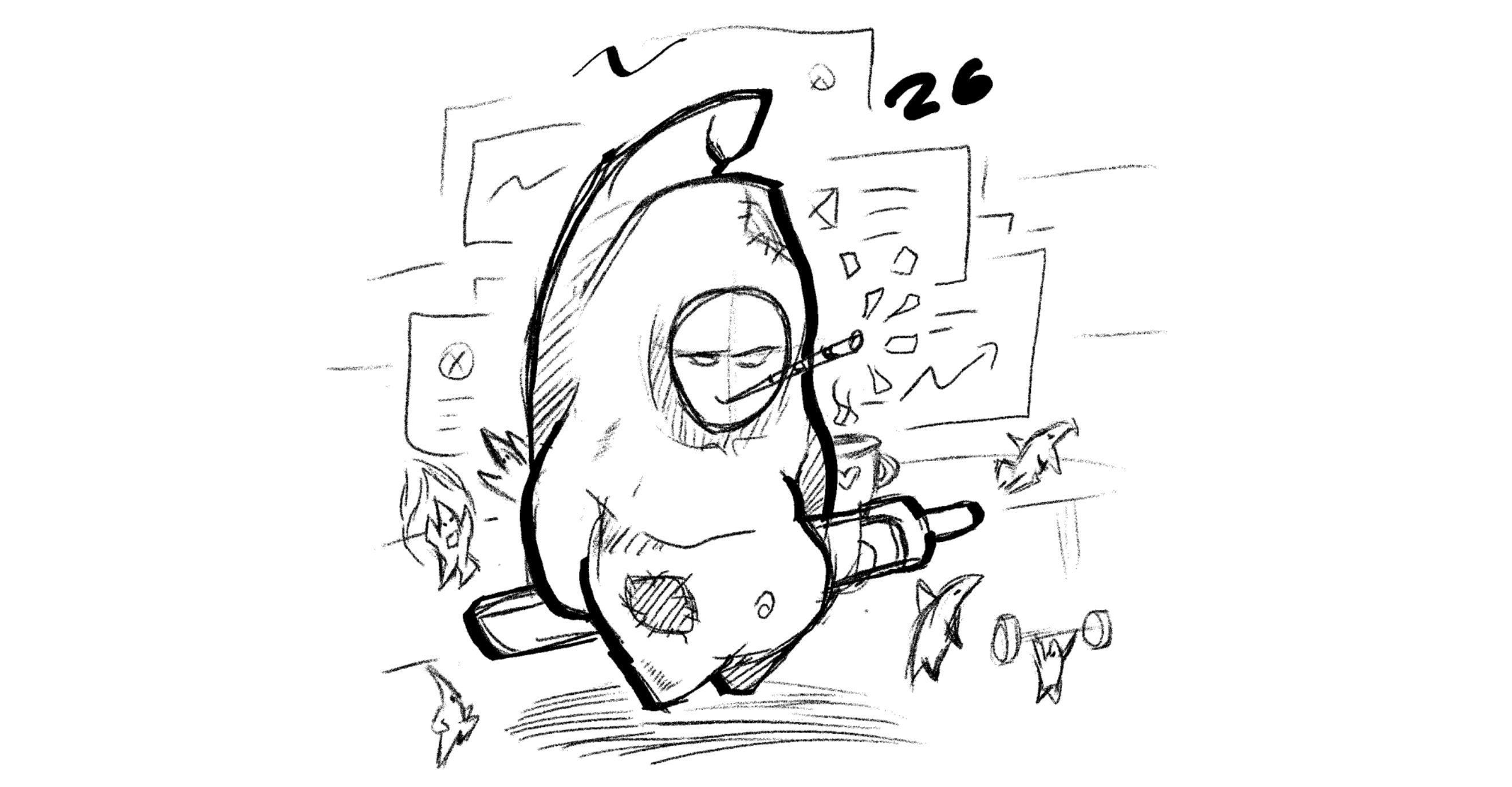








I cannot even exempt myself here: almost every one of us has dropped a polished industry buzzword into a meeting at some point, watched the whole room nod in agreement, and walked back to our desk with five completely different pictures of what we just agreed to build.
Why project jargon sets off my alarm bells today
Buzzwords are tempting because they are comfortable. Phrases like 'unlocking synergies', 'agile mindset', 'low-hanging fruit', or 'holistic approach' sound composed in a meeting room. Above all, they spare us the harder work of thinking an idea all the way through on the spot. Under time pressure or in a large group, they act like a polite fog where unresolved questions can hide.
The bill always arrives three weeks later. When one person heard 'small prototype experiment' and another heard 'production rollout for every customer' under the exact same phrase, conflict is guaranteed mid-sprint. It is the very same trap I have watched teams fall into when adopting process frameworks, as I wrote about in Let's call it RACI and see what happens.
What that verbal fog actually costs us
- False agreement in the room: Everyone nods at the same word while picturing completely different outcomes.
- Distance from the people building the thing: The heavier the consultant jargon gets, the faster you lose the designers and engineers who actually have to make the product work.
- Expensive rework loops: Every minute saved by hiding behind a catchphrase at kickoff gets paid back several times over in corrections later.
How I try to bring a conversation back to solid ground
- Describe the problem without the label: I try to force myself to state in one or two plain sentences what is broken right now and for whom, without leaning on industry shorthand.
- Ask the seemingly naive question: Whenever a discussion fills up with abstract nouns, I ask a simple question: 'What does that mean concretely for what we do on Monday morning?' You usually find out within ten seconds whether there is a real plan behind the phrase or just wishful thinking.
- Put something visible on the table: As I described in Stop Pitching, Start Talking, looking at a rough sketch or an actual working file together clears up misunderstandings faster than any slide deck full of buzzwords.
My takeaway
Good product work does not need impressive vocabulary; it needs shared language. When we state plainly what we plan to build and where we are still unsure, half of the usual project friction disappears on its own.