







After nearly two months on the road, I look back on this time with mixed feelings. Part of me is looking forward to heading home, while another part wishes this adventure did not have to end.
It was the first time we stepped away from day-to-day client routines for several months to focus on our own growth and ideas. Along the way, we collected plenty of lessons and stories that I want to share with you here.
And who knows, maybe you will start your own Satori soon?
Before leaving, we naturally put together a plan. As usual, reality had a few detours in store.
We checked off most of our internal to-dos, and alongside them we ended up taking on more client and project work than originally planned, including projects for Porsche and the Digital Impact Lab. Those are still under wraps for now, and I will share a look at them here once they are public. 🔥
What did we ship during Satori?
At the end of a long day, I still catch myself feeling as if I did not get enough done, forgetting the tasks we already finished. That habit probably goes back to my years at Jung von Matt and its motto: "We are never satisfied; there is always a better way!"
So let me use this opportunity to walk through the internal projects we worked on during Satori.
VeganFacts.de
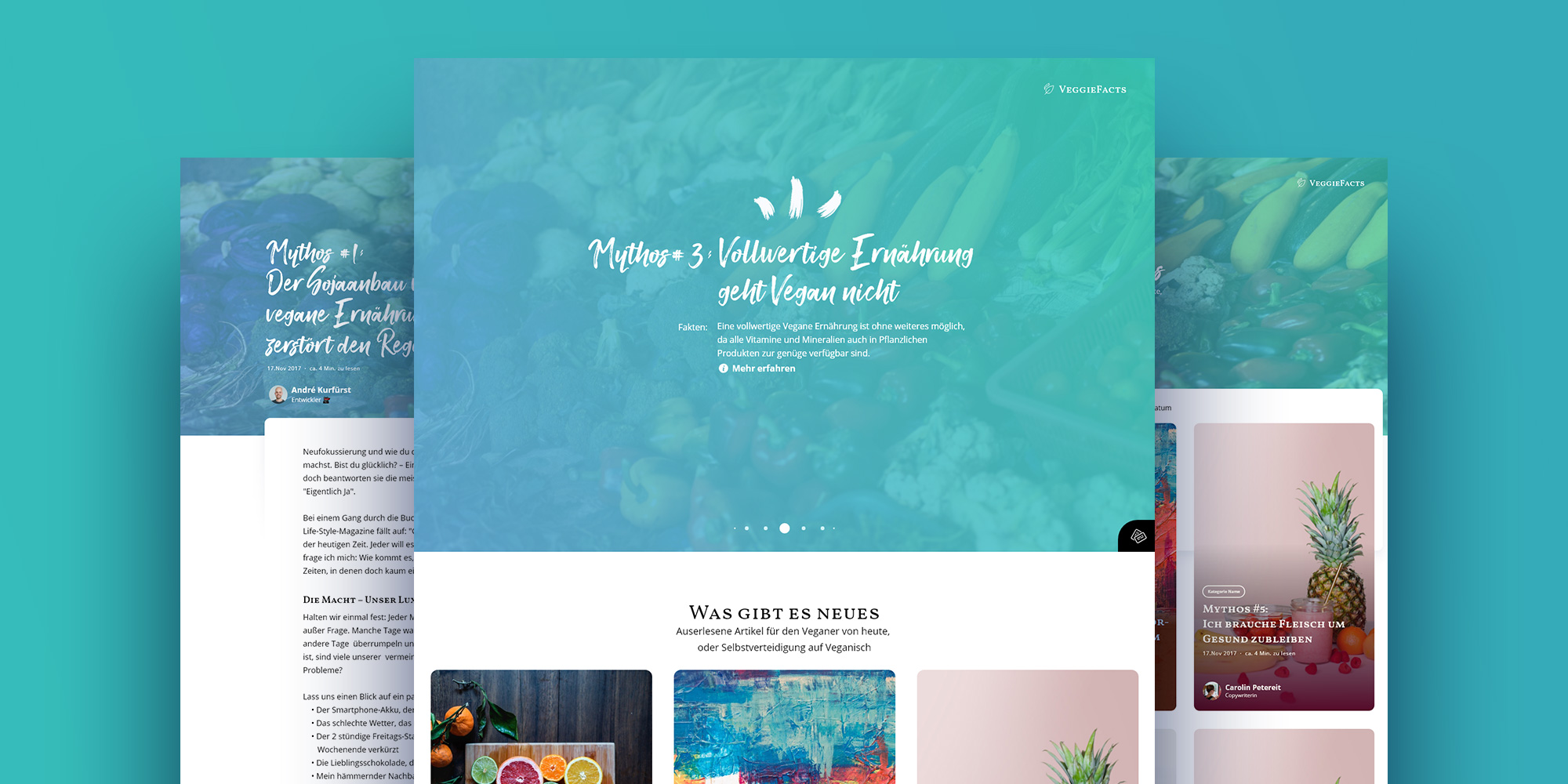 As vegans, Sophia, André, Juli, and I regularly run into the wildest preconceptions, ranging from "You do not look like a vegan at all" to "Isn't that unhealthy?" Nutrition is a loaded topic. We wanted a way to share well-sourced facts without lecturing or boring people to tears: something clean you can pass along as a link so anyone can read up and form their own opinion.
Said and done: our first Satori project was born.
VeganFacts.de looks at common myths around vegan nutrition and answers them neutrally. Take a look around the site, and if you have a question or myth you want us to examine, send it over via the contact link on VeganFacts.de.
Pomodory
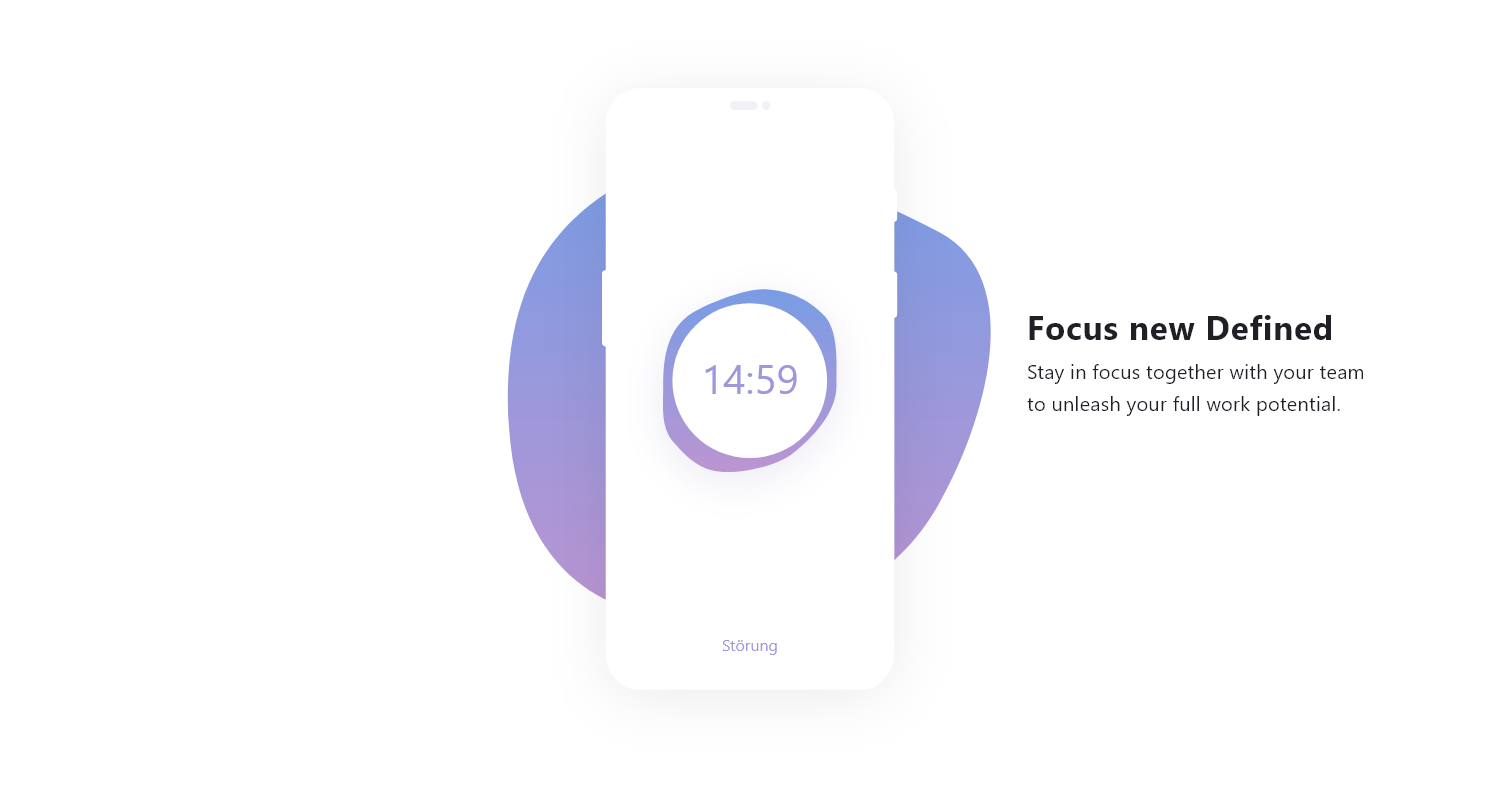 Some projects are so close to your heart that you almost hesitate to touch them. Pomodory was one of those. Everything is lined up for development, even if the build takes time.
Our Pomodory team consists of three people:
- André: technical consulting
- Falco: engineering
- David: concept, design, and vision
At its core, Pomodory is a classic Pomodoro tracker with a calm, meditative feel and a few focused extras that set it apart from standard timers. I will share the full feature set once Pomodory goes live; until then, you can see the first screens above.
SCRUMLY: Scrum poker
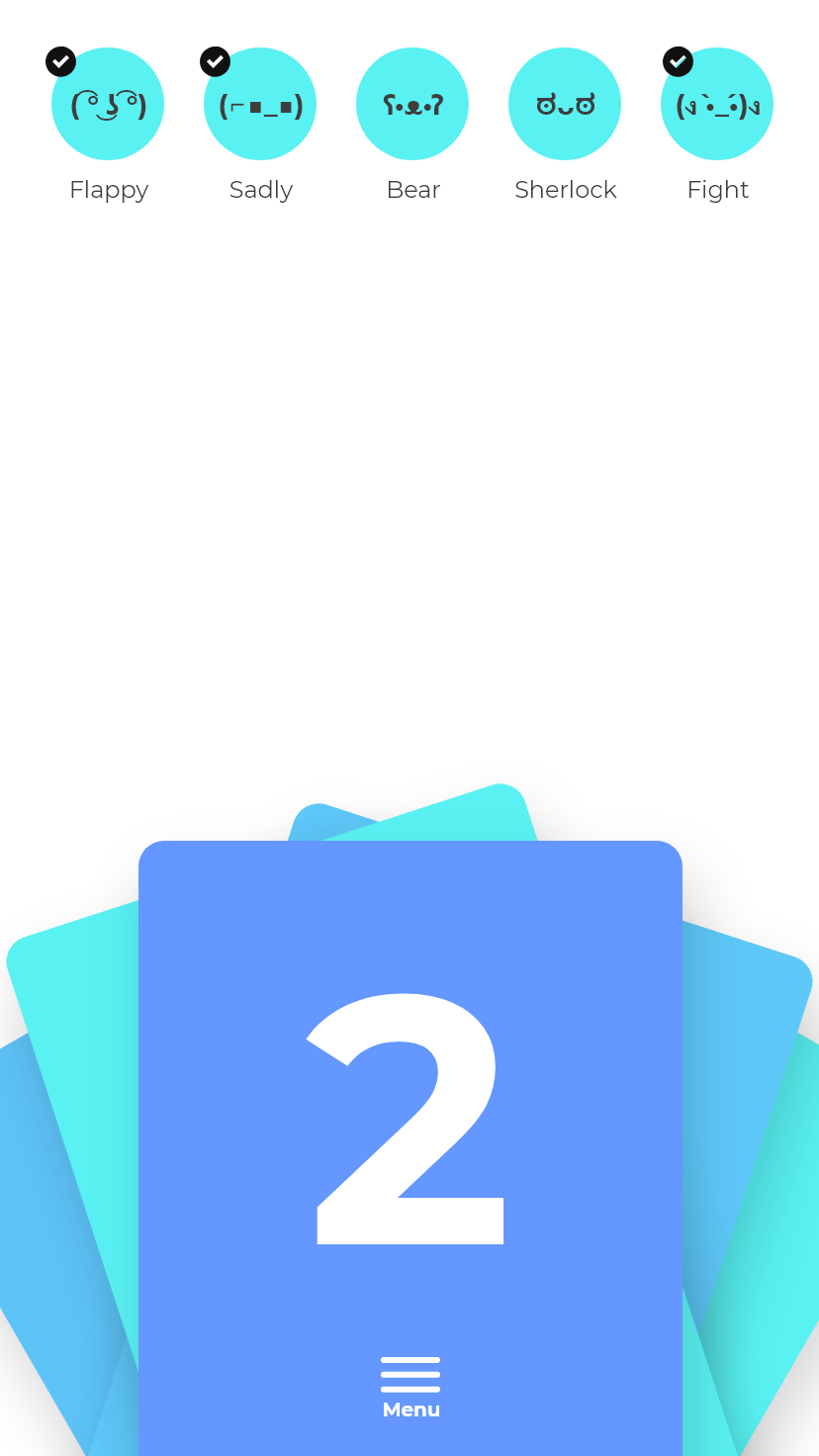
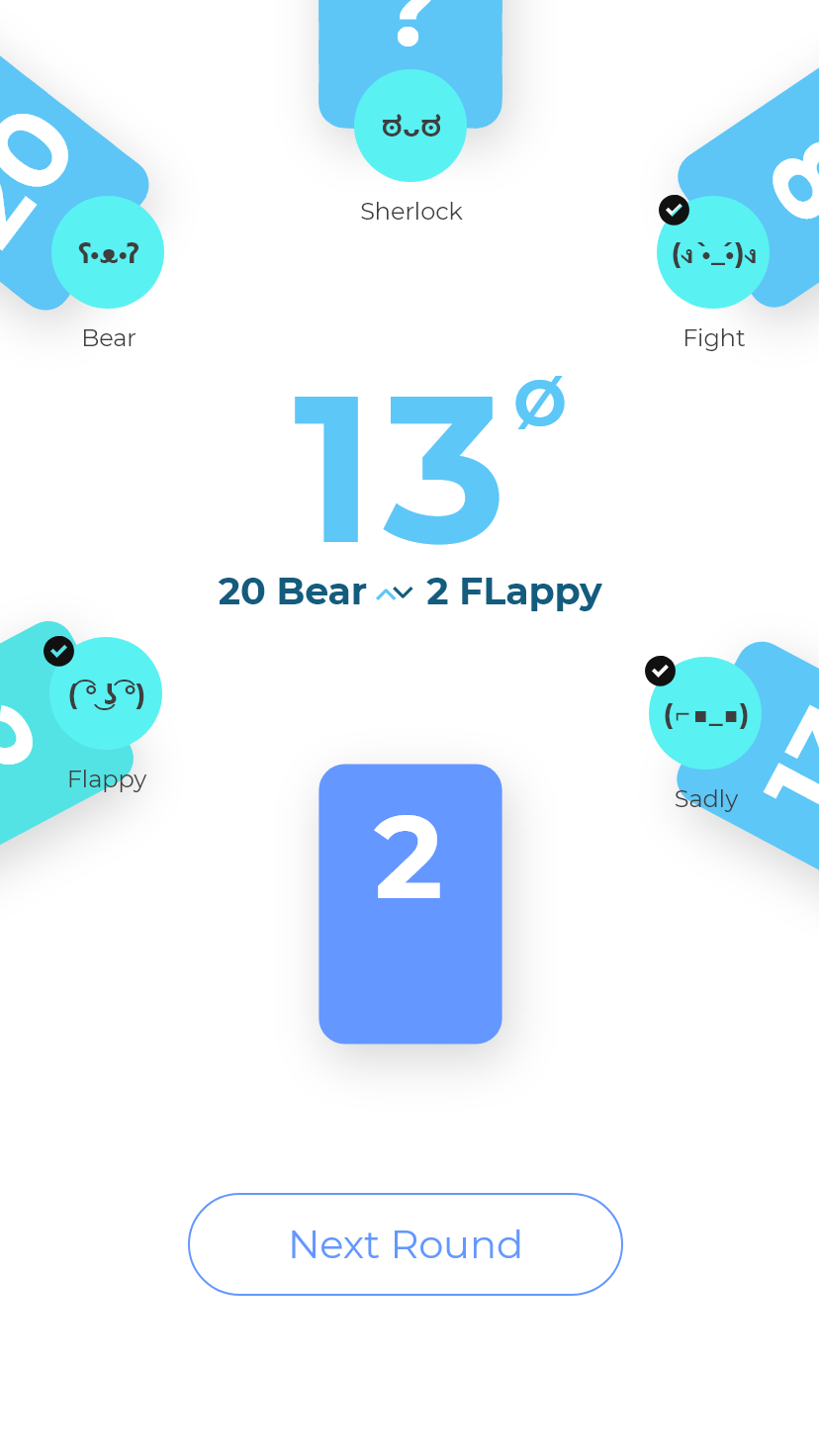
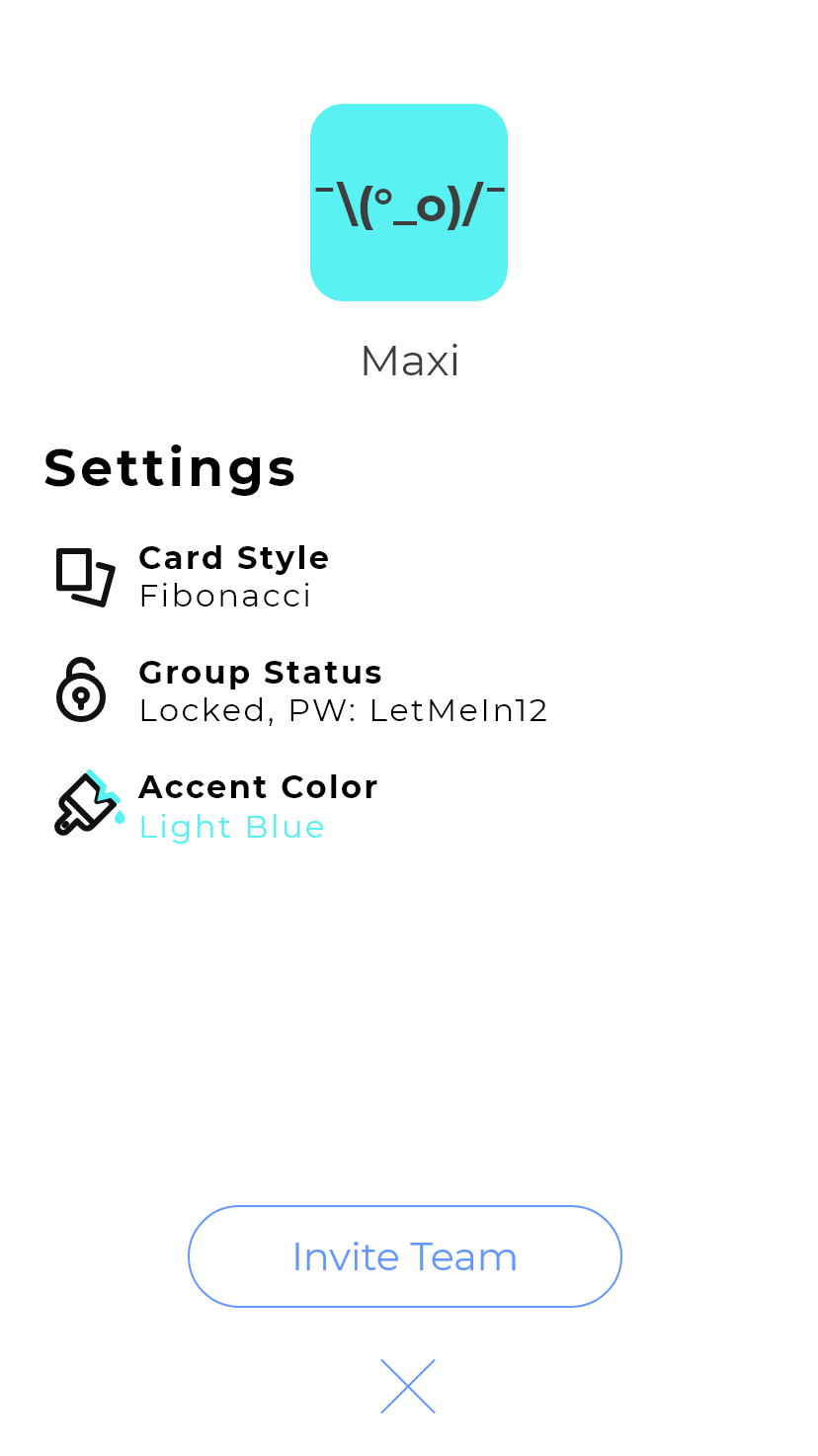
You can try out the web prototype at scrumly.uxact.ly.
Right now it runs a shared public room and works best with at least two people. If you want to test our Scrum poker app with your own team, leave a comment and we will gladly set up a dedicated room for you. ❤
Help, my friend is gluten-intolerant


Whenever I meet new people or travel abroad, I wish I had a simple app that explains celiac disease clearly and gives practical tips for gluten-free travel and cooking.
When I set off on Satori with André and his girlfriend, I did not want to spend the first days lecturing them on every detail and consequence of my condition.
Living or traveling with someone who reacts to the smallest trace of gluten is an adventure of its own: even tiny cross-contamination can knock you out for days.
There are dozens of small kitchen rules to watch out for, and repeating them gets old fast. That is where this app comes in: it helps people with celiac disease and just as importantly supports friends, partners, and roommates who live or travel with them. Just ask my girlfriend, who has become a true pro at it over the years. ;)
If you have a friend or partner with celiac disease, or want to join the beta test, let me know in the comments. 🕵️♂️🔥
The success journal as an app
This project is André's personal Satori finale.
So André could focus entirely on building out his vision, we kicked it off together with a fast ideation sprint and rough concept. From there, André took the reins on development. You can preview the early demo at Victorly.
Which books did I read along the way?




Back in Japan, an older man shared his view on staying mentally sharp: as long as you keep learning and challenging your mind, neither your head nor your spirit grows old. Modern neuroscience backs that up: the brain continues forming new neural connections as long as we actively use it, contrary to the old belief that mental decline with age is fixed.
During a normal workweek at home, I rarely carve out enough time to read, so setting my own schedule in the mornings was a treat. Most mornings started with reading and a workout. Here are the seven books I worked through during the trip:
- The Autobiography of Martin Luther King, Jr.: On my reading list for a long time and finally finished. A remarkable book and a real shift in perspective.
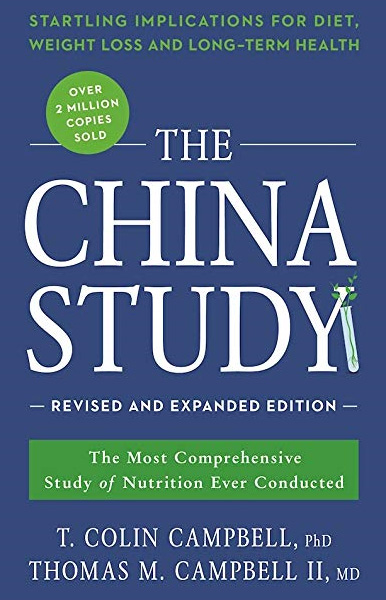
- The China Study: Revised and Expanded Edition: An expanded update to the original China Study with additional research findings. Worth reading for anyone interested in nutrition and how daily food choices affect long-term health.
- Losing My Virginity: Richard Branson's autobiography on building Virgin, packed with candid stories and lessons. If you enjoy founder biographies, this one is well worth picking up (even if Elon Musk's biography edged it out slightly for me on pure nerd factor :P).
- Shoe Dog: Phil Knight's memoir on founding Blue Ribbon Sports, later Nike. I have always had a soft spot for Nike as a brand, and reading how rocky the company's early years were makes what they built even more impressive. 🎩
- Halo: Silent Storm: I read far too little fiction, so picking up a novel again to unwind in the evenings was a great change of pace. A tight story around the Spartans for anyone who enjoys the Halo universe.
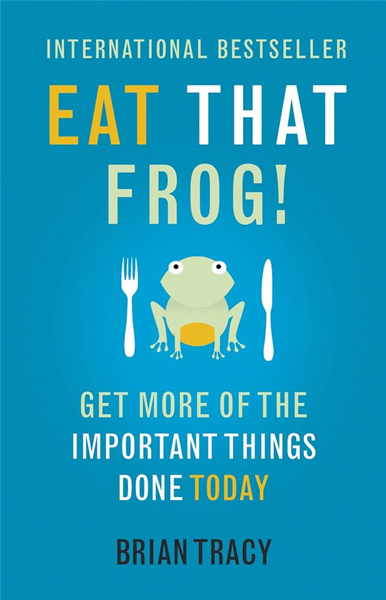
- Eat That Frog!: I am slightly split on this one: it collects plenty of solid productivity habits in one place, though if you have already read widely on focus and time management, little in it will be brand new. Ideal as a starter guide.
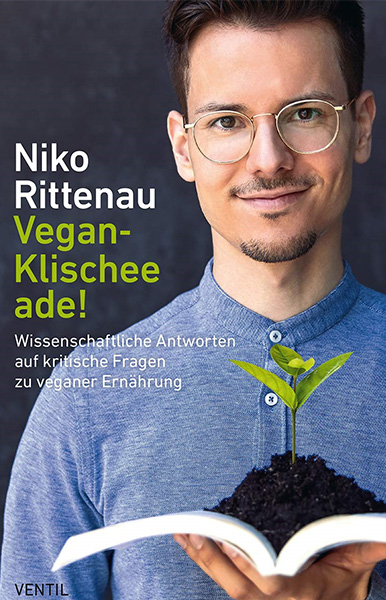
- Vegan-Klischee ade!: If you liked The China Study, you will feel right at home here. I have worked through several chapters so far and appreciate its calm, evidence-based style.
New articles for the blog
Ever since my blog went live, I have been trying to get the dozens of drafts sitting in my OneNote notebook out into the world. 😵
During Satori, I used the breathing room to finish and publish several pieces, with a big thank-you to my girlfriend for proofreading every draft:
- Satori #1: A Creative Reset Far From Home
- Satori #2: Month One: Between Freedom, Focus, and the Unknown
- The Power of Unconscious Prophecies
- VeganFacts.de: No Protein for Vegans?
YouTube live design session for Apache NetBeans
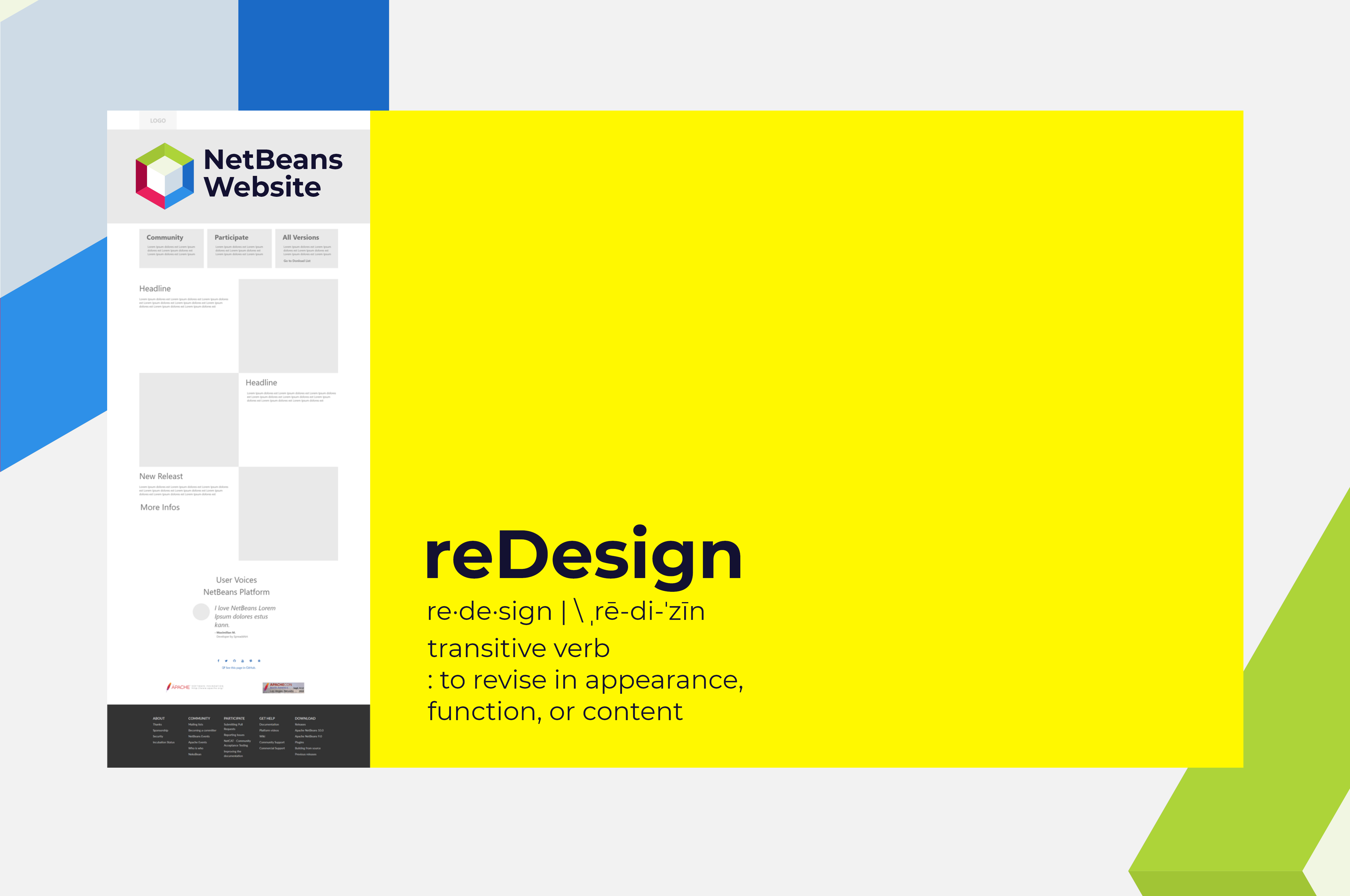 For several years I have contributed to Apache NetBeans, working with the community to modernize its visual identity, including a new logo and an updated IDE splash screen. Next on the list was the website itself.
We tackled the first website concepts in a live-streamed design session on YouTube. A few key contributors missed the live slot due to flight delays and illness, yet because we had gathered feedback and requirements ahead of time, we were still able to put together a solid redesign direction live.
Streaming my design workflow live was outside my comfort zone at first, and once the initial nerves settled, I genuinely enjoyed it.
What did a typical Satori day look like?
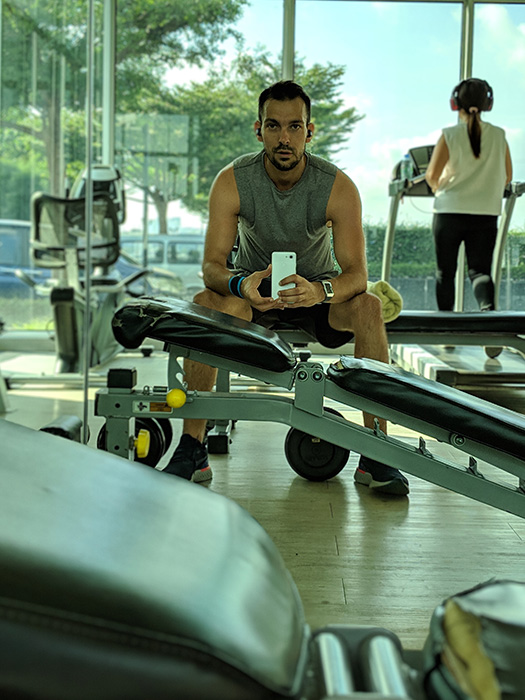
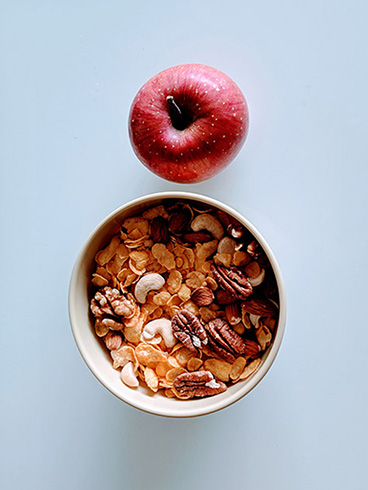
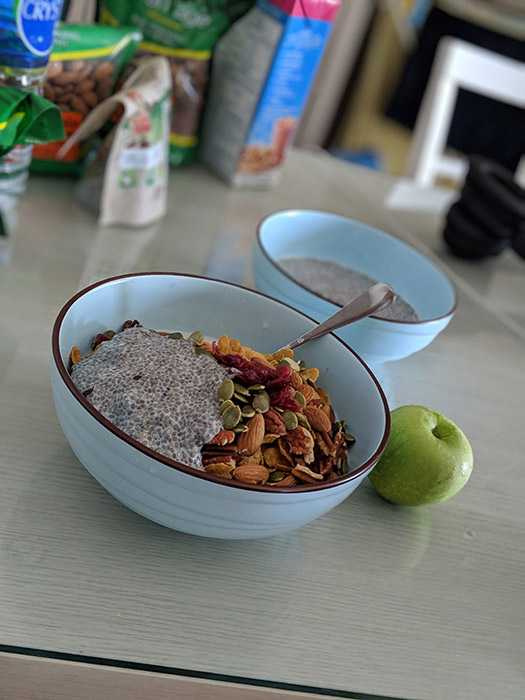
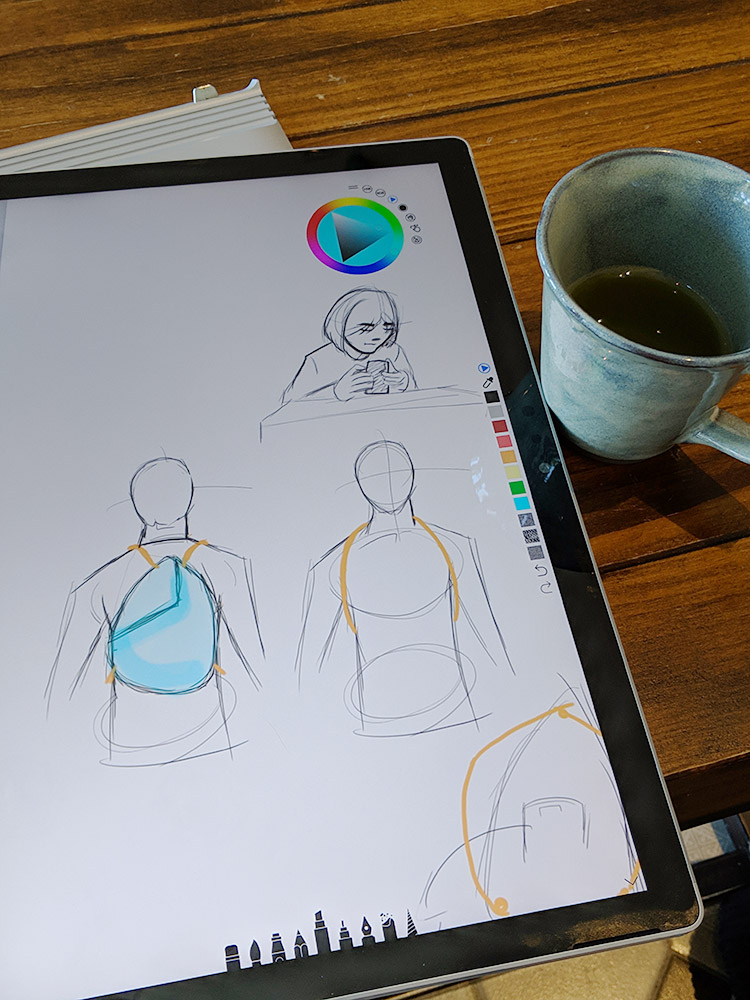
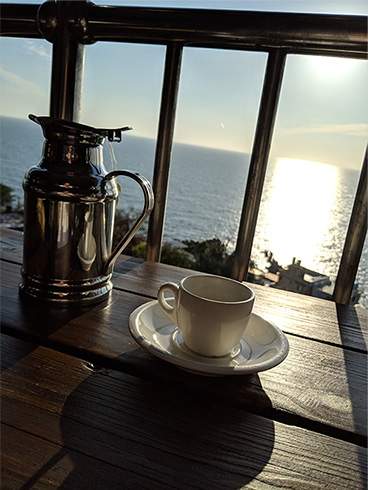
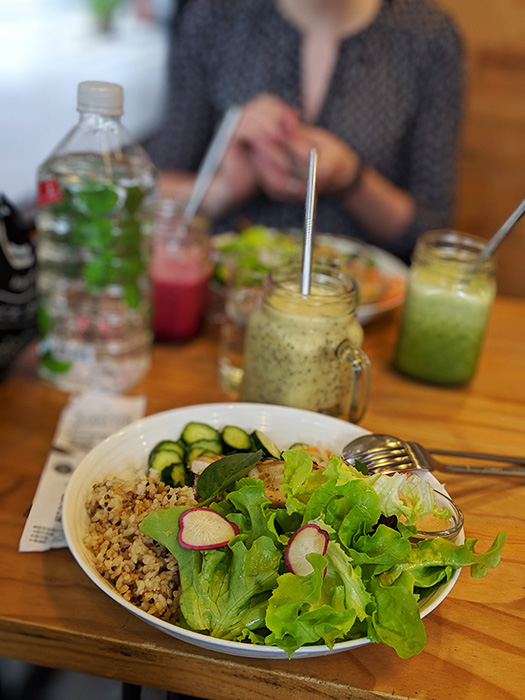
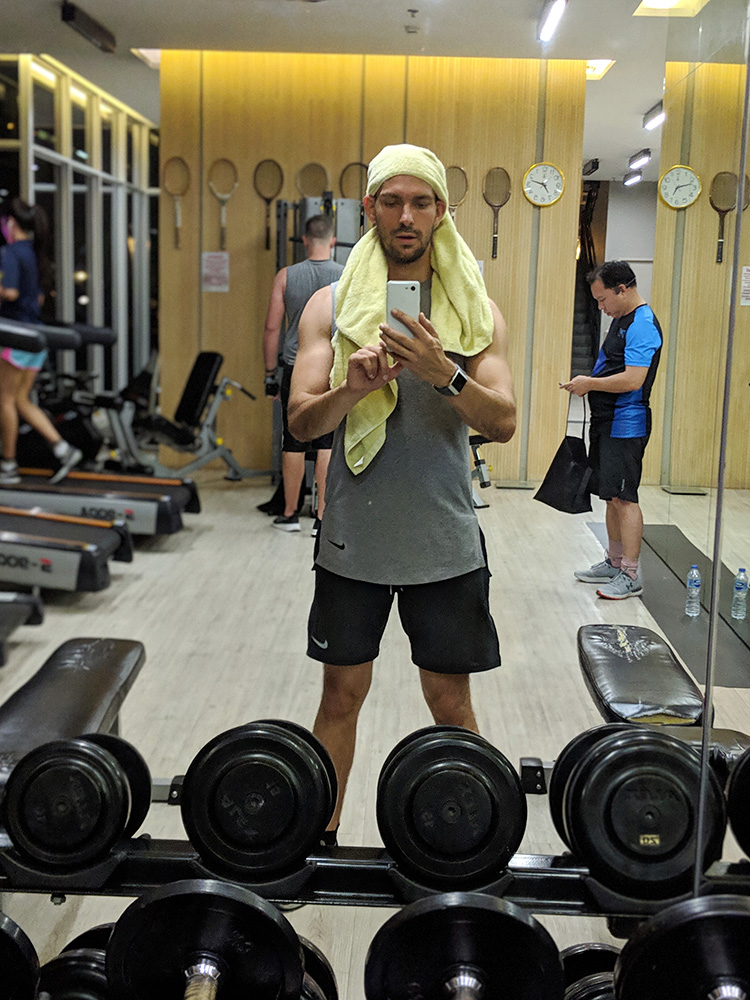
Up at 07:00 to head straight into a workout, followed by a short meditation and a daily stand-up to review project status and split up tasks.
For focused work blocks, I walked to a nearby café or park (it is amazing how differently coffee can taste from one spot to the next).
Around midday we grabbed lunch, explored the neighborhood, and dove back into project work until late in the evening.
Before bed, we wound down with Netflix, a round of gaming on the Surface Book, or a book. In many ways it mirrored my normal routine at home, with the big difference that the bulk of my energy went into our own projects.
What would we do differently next time?
Should a child stop trying to walk just because they stumbled on the first attempt? Hardly. Satori was a formative experience and one we want to repeat. Next time, I will pay closer attention to scoping our side projects to a lean Minimum Viable Experience (MVE) and taking the time to celebrate small and large milestones properly.
More travel, more local exchange
Looking back, we locked ourselves inside working for too many stretches and stayed in one place longer than needed. Next time, we want to visit co-working spaces alongside cafés so we connect with more local makers and remote teams along the way.
The people we met
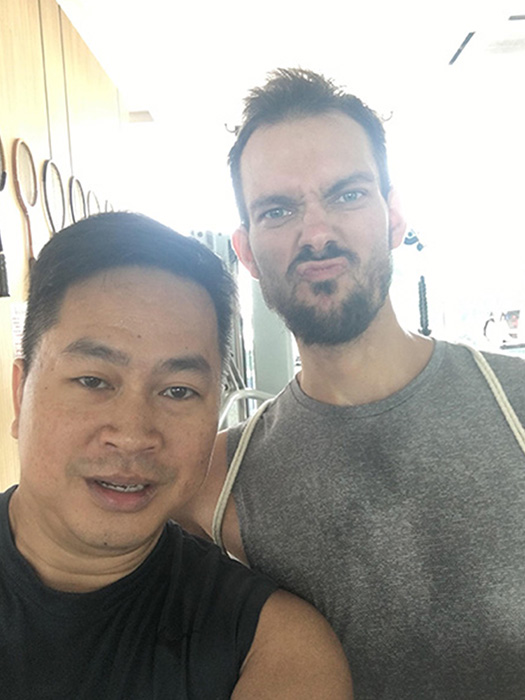
Even so, we crossed paths with memorable people: a former Thai boxer now teaching English in France, a café owner building his own design studio on the side, and a workout partner traveling the world as an international lawyer.
What kept us motivated?
Our biggest motivator was knowing how rare it is to have two uninterrupted months for our own product ideas. And whenever energy dipped for a day, stepping outside into an unfamiliar city brought fresh perspective quickly.
In short
Satori showed me new ways to work and live. Without these two months, I probably would not have found the quiet stretch needed to dive into React.js and push our own product concepts onto the road.
Even if that uses up my vacation days for the year, I can check off a long list of goals and feel like we moved more of our own ideas forward in two months than in years of squeezing them into evenings.
Above all, Satori clarified what I actually need day to day to work happily and effectively. For the next round in a year or two, I might try something even less conventional: why not rent a tiny pop-up space in another country and run a coffee shop for a few weeks?
"Just do it!" is easy to say, and easier once you book the ticket. Would a Satori sabbatical be something you would try?